Does Homeowners Insurance Cover Water Damage in Tennessee?
August 19, 2026 · 8 min read
Yes, standard Tennessee homeowners insurance usually covers water damage that is sudden and accidental, like a burst pipe or a failed appliance.
It generally does not cover gradual leaks, wear and tear, or neglect, and it never covers flooding from outside, which requires a separate flood policy through the NFIP. Sewage or drain backups are typically covered only if you add a specific endorsement.
The most common question we hear after "how fast can you come" is "will my insurance cover this." The honest answer for Tennessee is: usually, but it depends entirely on the cause. Here is how carriers actually think about it, in plain English.
Key takeaways
- Sudden and accidental water damage is typically covered; gradual and preventable damage is not.
- Homeowners insurance and flood insurance are two different policies; flooding from outside needs the NFIP.
- Sewage and drain backup usually needs a separate, inexpensive endorsement.
- Documentation and speed are what get a claim paid smoothly.
- When covered, you generally pay only your deductible if the restorer bills your carrier directly.
Sudden and accidental versus gradual
The dividing line in almost every homeowners policy is whether the damage was sudden and accidental or gradual.
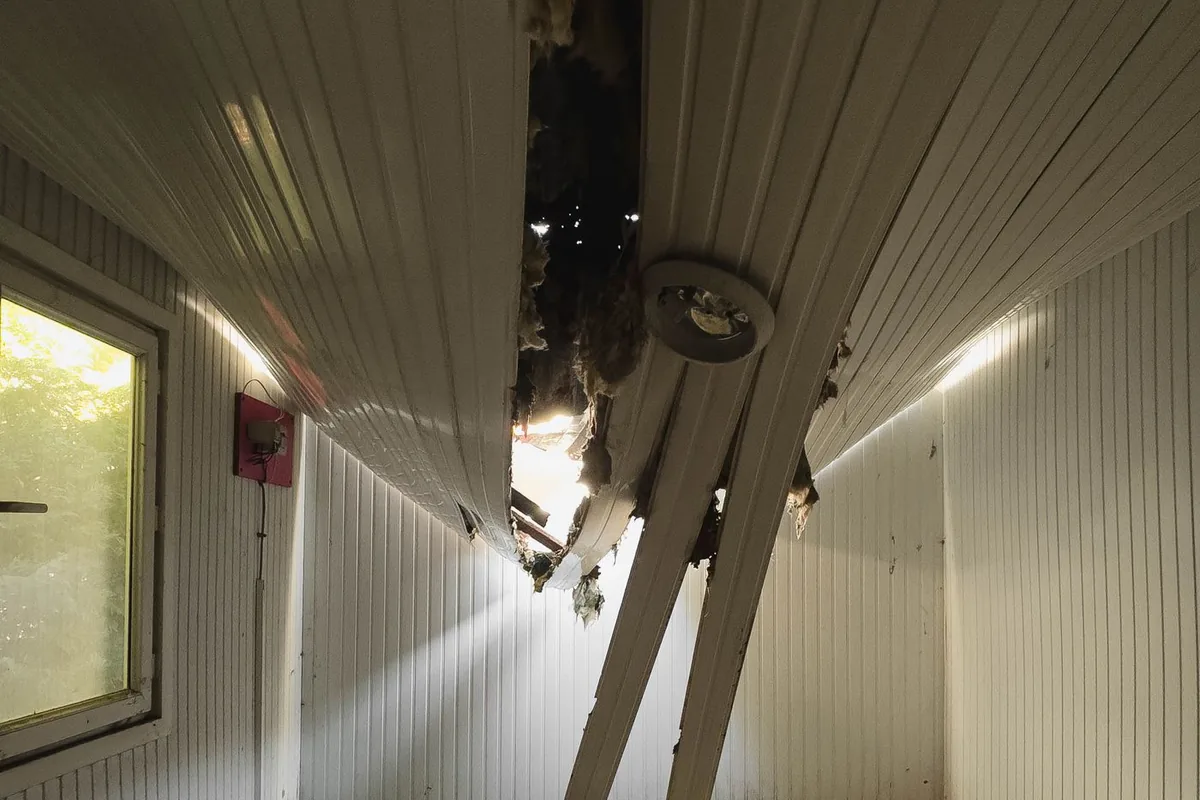
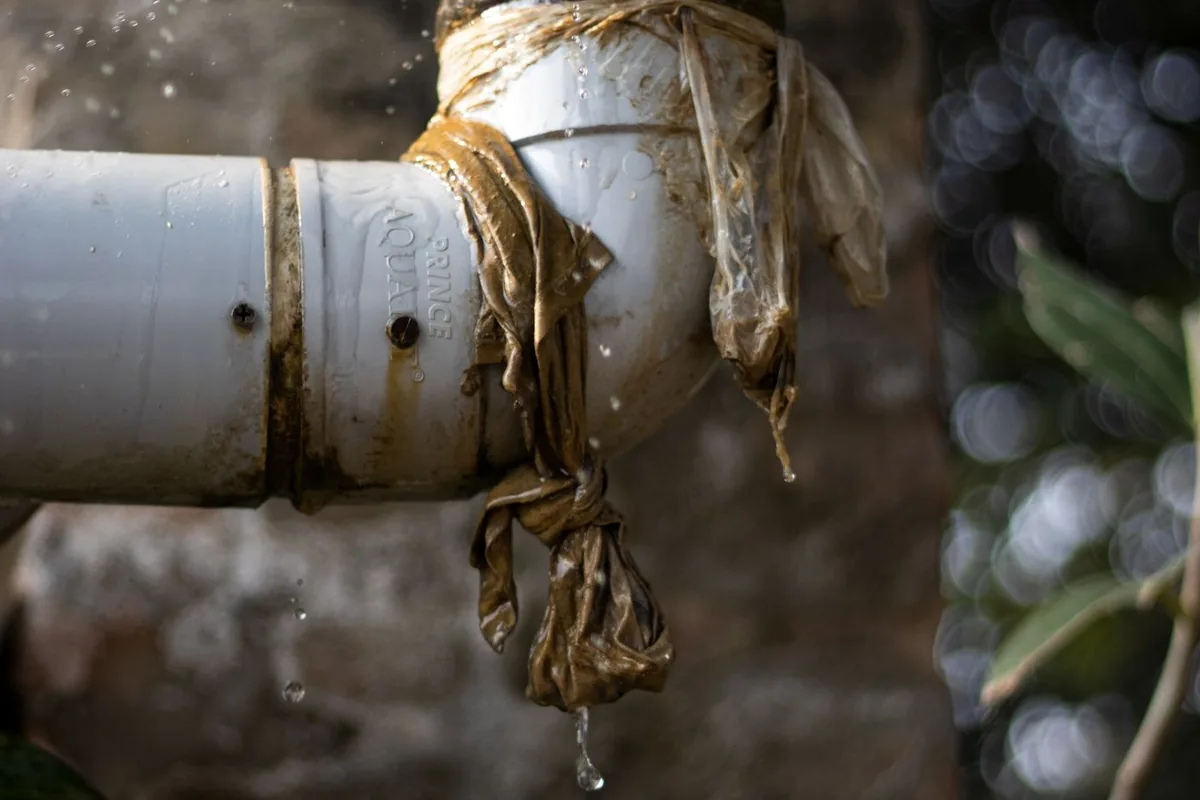
A pipe that bursts, a water heater that lets go, a supply line that fails, or a washing machine hose that splits are sudden and accidental, and they are typically covered.
A pipe that has slowly leaked behind a wall for months, a leak you knew about and did not fix, or damage from deferred maintenance are gradual, and they are typically not covered.
The reasoning is that insurance is for the unexpected, not for wear and tear you were responsible for maintaining.
Water damage versus flood: two different policies
This trips up a lot of homeowners.
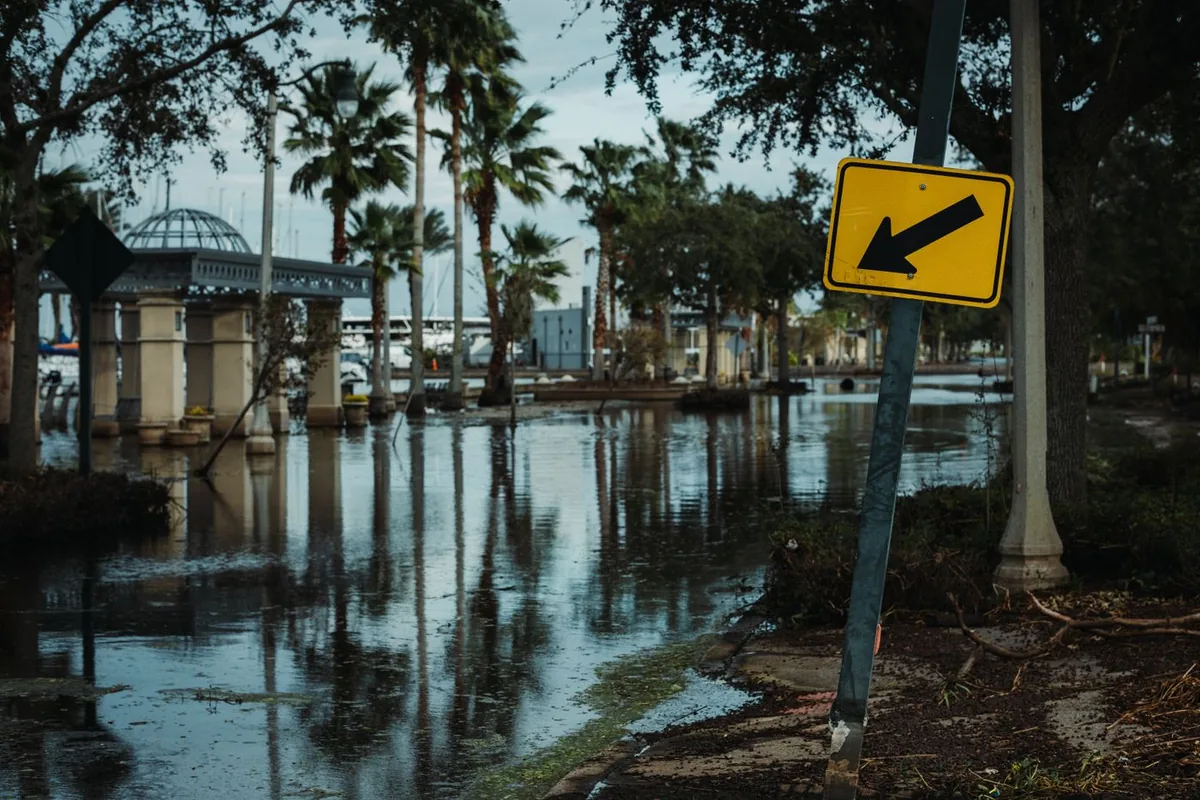
Standard homeowners insurance covers many kinds of water damage that originate inside the home, but it specifically excludes flood, meaning rising water from outside, such as an overflowing creek, storm runoff, or water coming across the ground into your house.
Flooding is covered only by separate flood insurance, most commonly through the National Flood Insurance Program (NFIP), which is administered by FEMA.
Flood policies also generally carry a 30-day waiting period before coverage takes effect, so buying one the day a storm is forecast will not help.
Internal water damage is a homeowners claim. A creek in your living room is a flood-insurance claim. They are not the same coverage.
In the Upper Cumberland, where heavy storms can put water where it does not belong, it is worth knowing which you carry before you need it.
Sewage backup is often its own endorsement
Water and sewage backing up through drains is frequently excluded from the base policy and added back through a specific sewer or water backup endorsement. If you have a basement or have ever had a backup, that endorsement is usually inexpensive and well worth it.
Check your declarations page, or call your agent, to confirm whether you have it before you need it.
Water damage in Cookeville right now?
Talk to a local restoration tech, 24/7. Free inspection, insurance billed direct.
Call (931) 354-8124What gets a claim paid
Coverage is one thing; getting paid smoothly is another. Claims go well when the documentation is thorough and the cause is clearly established as covered. That means:
- Photos and video of the damage before cleanup starts.
- A clear record of the cause, showing the loss was sudden.
- Daily moisture readings during drying, proving the work was necessary and done properly.
- A scope written the way adjusters read it.
This is a large part of what a good restoration company does for you. We document from the first visit and, in most cases, bill your carrier directly, so your out-of-pocket is the deductible rather than the whole invoice.
What can reduce or deny a claim
The usual reasons a water claim is reduced or denied: the damage was gradual and known, the cause was excluded (such as flood without flood coverage), the homeowner delayed and let the damage worsen, or there was not enough documentation to establish what happened.
The first and last of those are within your control, so act fast and document everything.
What about the deductible and direct billing?
When a loss is covered, you are generally responsible for your deductible, and the insurer covers the approved scope beyond that.
Many restoration companies, including ours, bill the carrier directly for the covered work, which means you are not fronting thousands of dollars and waiting to be reimbursed. Ask any company you call whether they bill insurance directly before work begins.
Water damage in Cookeville right now?
Talk to a local restoration tech, 24/7. Free inspection, insurance billed direct.
Call (931) 354-8124How to prepare before a loss happens
- Read your declarations page and confirm whether you carry a sewer or water backup endorsement.
- Consider flood insurance if you are near a creek, in a low-lying area, or in a mapped flood zone, and remember the 30-day waiting period.
- Photograph your home now, room by room, so you have a record if you ever need to prove a loss.
- Know your main water shutoff so you can stop a burst pipe fast, which limits damage and strengthens your claim.
- Keep an inventory of higher-value belongings.
Ten minutes of preparation now can be the difference between a smooth claim and a denied one later.
How much will the restoration itself cost?
Separate from coverage, the restoration work in Cookeville typically runs about $1,300 to $6,300, averaging near $3,800, with contaminated-water and whole-home losses higher. When the claim is covered, most of that is billed to your carrier and your share is the deductible.
Our Cookeville cost guide breaks the numbers down by room, water category, and mold.
The bottom line for Tennessee homeowners
Most sudden, internal water damage in Cookeville is covered. External flooding needs separate flood insurance. Sewage backup usually needs an endorsement. And no matter the cause, the claim goes better the faster you act and the better it is documented.
This article is general guidance, not a coverage determination; your policy language and your adjuster decide your specific claim, so read your declarations page and ask your agent about the gaps above.