What to Do in the First 24 Hours After Water Damage
September 8, 2026 · 8 min read
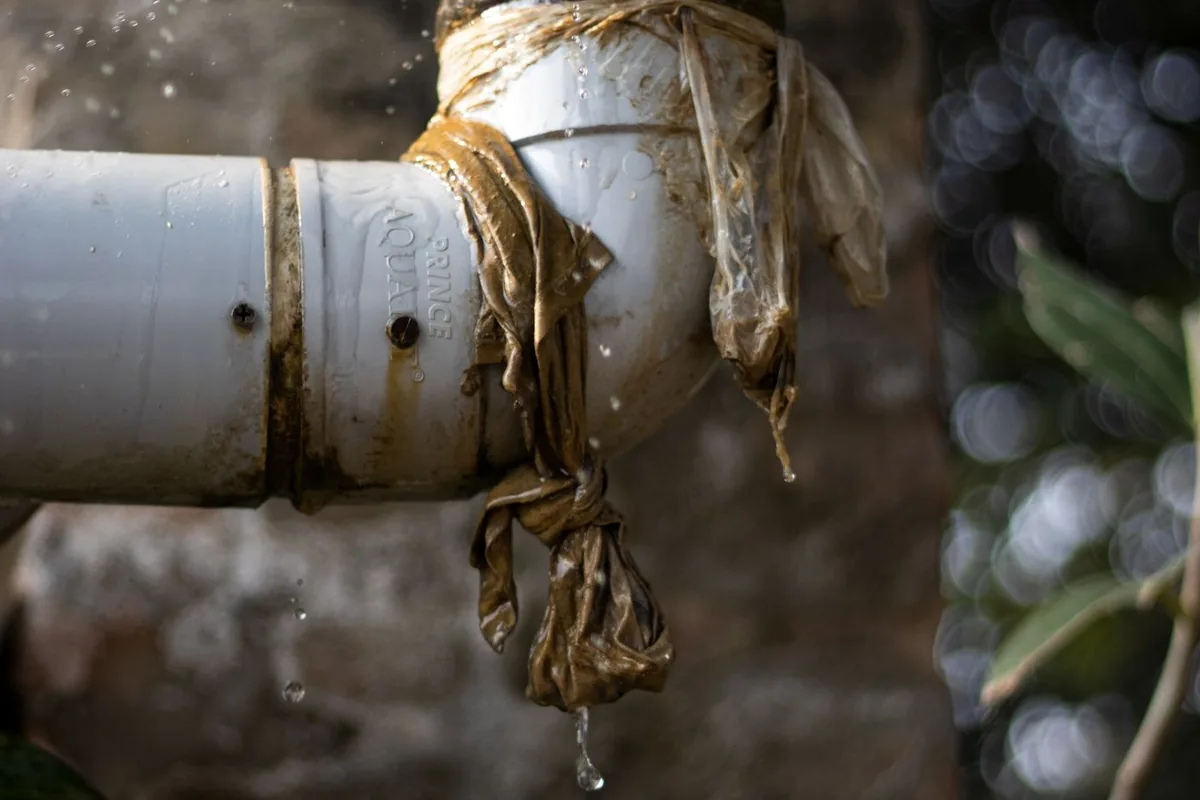
In the first 24 hours after water damage, do five things in order: make the area safe (watch for electricity), stop the water at its source, call a restoration pro, photograph everything for insurance, and start removing water. Speed decides the cost.
Mold can begin within 24 to 48 hours according to the EPA, and standing water keeps wicking into subfloor and drywall every hour it sits.
The first day after water damage is the one that matters most. Move fast and smart and you can save your floors, your drywall, and a mold problem later. Freeze up, and water that could have been extracted in an hour spends the night soaking into the structure.
Here is exactly what to do, in order.
Key takeaways
- Safety first: never step into water near outlets or the electrical panel.
- Stop the source, then document everything before you clean up.
- Call a restoration pro early, not in the morning; extraction speed drives the whole outcome.
- Household fans move air but do not remove humidity, so they are a stopgap, not drying.
- The mold clock is 24 to 48 hours (EPA), so the first day is decisive.
Step 1: Make it safe
Before you worry about the water, worry about electricity. If water is anywhere near outlets, cords, or the panel, do not walk into it. Cut power at the breaker only if you can reach it without standing in water; if you cannot, leave it and call a professional.
No floor is worth a shock. If the water is contaminated, meaning a sewage backup or flooding from outside, treat it as a biohazard, keep people and pets out, and do not try to clean it up bare-handed.
Step 2: Stop the water at its source
Find where the water is coming from and stop it. For a burst or leaking pipe, shut off the water at the main, usually where the line enters the home or at the meter. For an appliance, close its individual supply valve.
For a roof or storm leak you cannot stop the rain, but you can move belongings out of the way and contain the drip with buckets and tarps.
Step 3: Call a restoration pro early
This is the step people delay, and it is the one that matters most. Extraction within the first hours is what saves materials. Waiting until morning to "see how bad it is" is usually how a fixable loss becomes a tear-out.
Call a local restoration crew, describe what you are seeing, and get a truck moving. In Cookeville and the Upper Cumberland, a local company can often be on site within a couple of hours, which is the whole point of hiring local for an emergency.
Water damage in Cookeville right now?
Talk to a local restoration tech, 24/7. Free inspection, insurance billed direct.
Call (931) 354-8124Step 4: Document everything for your claim
Before you move or clean anything, photograph and video the damage. Capture wide shots and close-ups of the source, the standing water, and every affected room and item. This is the evidence your insurance claim runs on, and you cannot recreate it once cleanup starts.
Then call your insurer to open the claim. Keep receipts for anything you buy during cleanup, and do not throw away damaged items until they have been documented.
Step 5: Start mitigating while you wait
You have a duty to prevent further damage, and it helps the outcome. If it is safe and the water is clean:
- Move furniture and valuables out of the wet area, or put foil or blocks under furniture legs.
- Lift area rugs off wet flooring.
- Mop or wet-vac the standing water you can safely reach.
- Get airflow going, but understand that household fans move air without removing humidity, so they are only a stopgap.
Do not use a household vacuum on water, do not put newspaper on wet flooring where ink can transfer, and do not assume that dry to the touch means dry.
What do the professionals do next?
When the crew arrives, they extract the remaining water, map the moisture with meters to see how far it traveled, and set air movers and dehumidifiers on a drying plan. Then they monitor daily until the structure reads dry, and they hand you the documentation your adjuster wants.
The goal is to reach a verified dry standard, not just a surface that feels dry.
Why the 24-hour clock matters
Mold can begin to grow in as little as 24 to 48 hours on wet material, a timeline confirmed by the EPA, FEMA, and CDC. That window is exactly why the first day matters so much, and it is the whole argument for calling early rather than waiting.
Get the water out and drying started inside that window and mold usually never gets a foothold.
Water damage in Cookeville right now?
Talk to a local restoration tech, 24/7. Free inspection, insurance billed direct.
Call (931) 354-8124What not to do in the first 24 hours
- Do not wait until morning. The mold clock and the wicking clock both start immediately.
- Do not use a household vacuum on water; it is a shock hazard and will ruin the vacuum.
- Do not enter standing water near outlets or the panel until the power is off or a pro clears it.
- Do not throw away damaged items before photographing them for your claim.
- Do not assume it is dry because the surface feels dry; the structure underneath often is not.
- Do not touch sewage or flood water bare-handed; it is a biohazard.
Most first-day mistakes come from either moving too slowly or cleaning up before documenting. Avoid both and you protect your home and your claim at the same time.
Will this be covered by insurance?
If the cause was sudden and accidental, such as a burst pipe or failed appliance, standard Tennessee homeowners insurance usually covers the loss, and you generally pay only your deductible when the restorer bills your carrier directly.
Gradual leaks and outside flooding are treated differently. For the full picture, see our guides on what insurance covers in Tennessee and what restoration costs in Cookeville.
The bottom line
If you are staring at water right now in Cookeville or the Upper Cumberland, do not read to the end of the internet first. Make it safe, stop the source, take your photos, and call. The first 24 hours are worth more than anything you can do later.